
5859 W Maple Road, West Bloomfield, MI  ·  Tours daily, 9am–5pm
Comfort Cove Senior Living · West Bloomfield(248) 538-5283
← The Cove Journal

Top Safety Features for Residences That Age Well

·6 min readTop Safety Features for Residences That Age Well
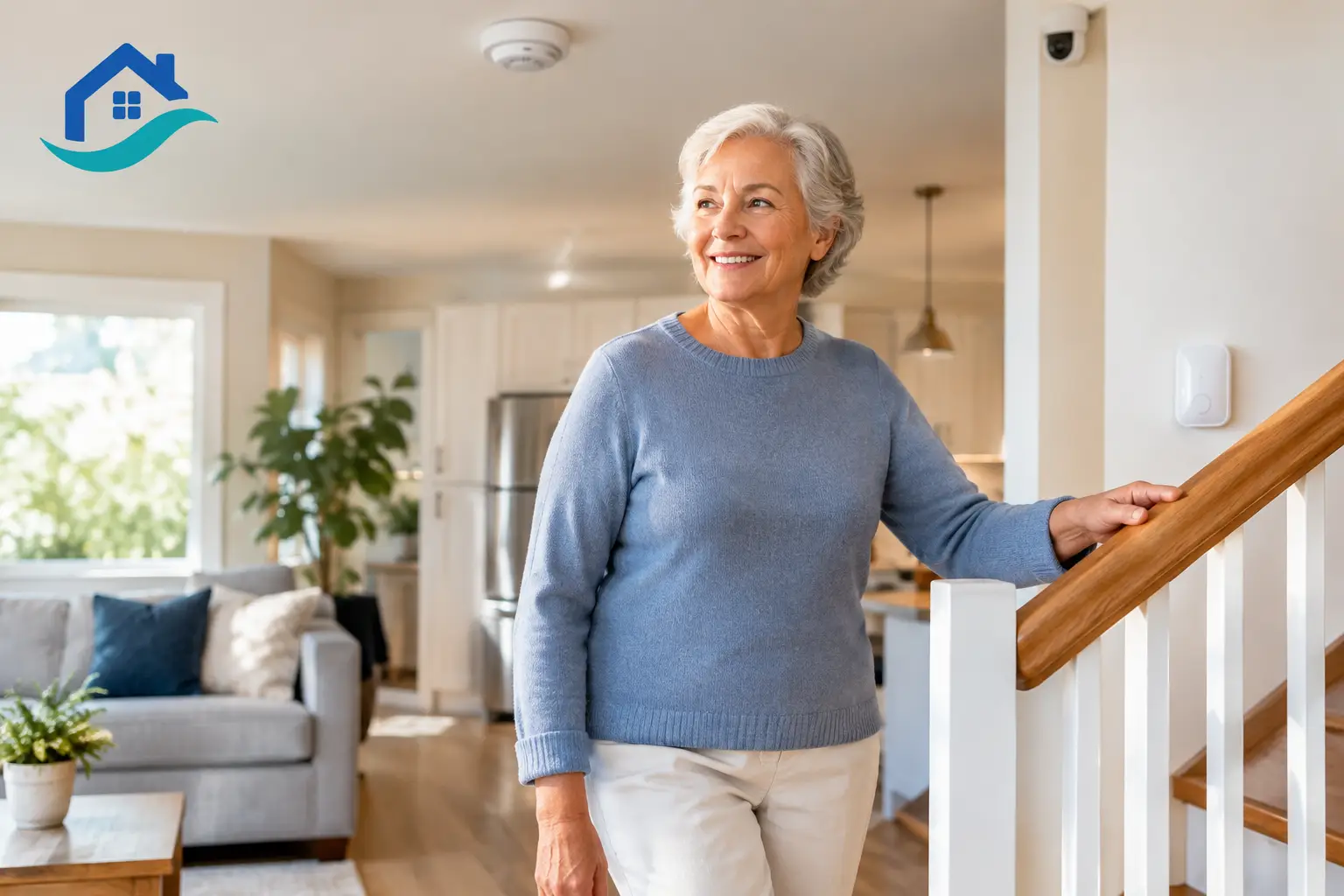
A fall in the kitchen, a forgotten medication, or a long stretch without meaningful conversation can change how secure home feels. The top safety features for residences are not simply alarms and grab bars. For older adults and the families who love them, they are thoughtful layers of support that protect independence while making daily life more comfortable, connected, and joyful.

The right residence should never make someone feel watched or limited. It should make it easier to move through the day with confidence: enjoying a chef-prepared meal, attending an enriching program, welcoming family for a visit, and returning to a private apartment that feels entirely their own.

Safety Begins With a Home Designed for Everyday Ease

The most valuable safety features are often the ones residents barely notice because they fit naturally into daily routines. Well-lit hallways, level walking surfaces, secure handrails, accessible bathrooms, and easy-to-use door hardware help reduce common risks without taking away the feeling of home.

Inside an apartment, details matter. Bathrooms should support steady movement in and out of the shower, while kitchens and living areas should leave clear space for walkers or mobility devices when needed. Good lighting is especially important near entryways, closets, and beds, where shadows can make a familiar room harder to navigate.

Apartment layout deserves as much attention as any amenity. A beautiful residence is more practical when it allows a resident to keep favorite furnishings, move comfortably from room to room, and maintain familiar rituals. Studio, one-bedroom, and two-bedroom options can each be a wonderful fit depending on a person's space needs, mobility, and desire to host loved ones.

The Top Safety Features for Residences Go Beyond the Apartment

A safe community creates reassurance throughout the entire day, not only behind an apartment door. Families should ask how the building is staffed, how visitors enter, and what happens if a resident needs assistance unexpectedly. Clear procedures, attentive team members, and a responsive culture are as meaningful as any piece of equipment.

Reliable access and emergency response

Emergency call systems and accessible ways to request help can offer important peace of mind, particularly for residents who live independently but may occasionally need support. What matters is not only whether a system exists, but how quickly team members respond and what follow-up occurs after an incident.

Controlled access to the building can also help residents feel protected while preserving a welcoming atmosphere for family and friends. A community should feel open-hearted, not intimidating. The best approach balances secure entry with gracious hospitality and a team that recognizes residents, families, and regular visitors.

A team that notices the small changes

Technology can summon help, but people provide the human awareness that families value most. In a close-knit senior living setting, staff may notice when a resident who is usually present for breakfast has not arrived, seems less steady on their feet, or has become unusually withdrawn.

This does not mean taking over a resident's life. It means having caring professionals nearby who know each person's normal routines and can respond with warmth and discretion when something seems different. That familiar presence can be especially comforting for adult children who live out of town or are balancing careers and caregiving responsibilities.

Personalized support that can change with needs

Independence is not an all-or-nothing condition. Someone may manage beautifully on their own while benefiting from help with medication reminders, personal care, transportation coordination, or recovery after an illness. A residence that can personalize support as needs evolve gives residents more choices and may reduce the disruption of another move later.

Ask communities how they coordinate additional care, respite stays, and hospice support when appropriate. The answer reveals whether a residence sees safety as a checklist or as an ongoing commitment to dignity. Aging gracefully in place is easier when care can be adjusted thoughtfully, with the resident and family included in the conversation.

Connection Is a Meaningful Part of Safety

Safety is often discussed in physical terms, yet loneliness and isolation can affect well-being just as deeply. A residence with regular dining, life-enrichment programming, shared gathering spaces, and opportunities for friendship provides a gentle rhythm to the week. Residents have reasons to get dressed, participate, laugh, learn, and feel expected.

For some older adults, moving from a longtime house can feel like a loss of independence. In practice, the right community can restore it. Freedom from home repairs, snow removal, grocery planning, and daily cooking can create more time for favorite interests and relationships. A resident who feels connected is more likely to speak up when they need help, remain active, and enjoy the confidence that comes from belonging.

Dining is a good example. Chef-prepared meals provide more than convenience. They bring people together, support regular nourishment, and offer informal moments for staff and neighbors to check in naturally. For families, knowing a loved one has appealing meals and friendly company can ease a very real concern.

Location and Access to Care Matter, Too

A residence does not exist apart from its neighborhood. Consider its proximity to medical resources, pharmacies, worship, retail, and the places a resident already enjoys. For Oakland County families, convenient access to Henry Ford West Bloomfield Hospital and familiar West Bloomfield destinations can make appointments and family visits easier to manage.

Transportation arrangements are worth discussing as well. A resident may no longer wish to drive at night, in winter weather, or at all. Options for rides, planned outings, and family pickup can help preserve an active, engaged lifestyle without tying independence to car keys.

How Families Can Evaluate Safety During a Visit

A brochure can describe features, but a personal visit reveals how a community feels. Notice whether common spaces are bright, well maintained, and easy to navigate. Observe interactions between residents and team members. Are people greeted by name? Does the environment feel calm, active, and genuinely cared for?

Bring practical questions. Ask how emergencies are handled after hours, how staff communicate with families, and what support can be added if needs change. Ask residents what they appreciate most about living there. Their answers often reveal whether safety is truly woven into everyday life.

It is also wise to involve the future resident from the beginning. Adult children may focus first on risk reduction, while a parent may care most about privacy, social life, food, or room for cherished belongings. Both perspectives are valid. The strongest decision honors personal preferences while addressing real needs with clarity and compassion.

At Comfort Cove Senior Living, the goal is to make this next chapter feel less like giving something up and more like coming home to support, connection, and exceptional service. A visit can help your family picture what daily life could look like: a comfortable residence, friendly faces nearby, and the confidence to continue your story on your own terms.

When evaluating a new home, look for more than a list of precautions. Look for the quiet confidence that comes from being known, supported, and free to enjoy each day.

5859 W Maple Road, West Bloomfield  ·  Tours daily 9–5
Comfort Cove Senior Living · West Bloomfield
← The Cove Journal

Top Safety Features for Residences That Age Well

·6 min readTop Safety Features for Residences That Age Well

A fall in the kitchen, a forgotten medication, or a long stretch without meaningful conversation can change how secure home feels. The top safety features for residences are not simply alarms and grab bars. For older adults and the families who love them, they are thoughtful layers of support that protect independence while making daily life more comfortable, connected, and joyful.

The right residence should never make someone feel watched or limited. It should make it easier to move through the day with confidence: enjoying a chef-prepared meal, attending an enriching program, welcoming family for a visit, and returning to a private apartment that feels entirely their own.

Safety Begins With a Home Designed for Everyday Ease

The most valuable safety features are often the ones residents barely notice because they fit naturally into daily routines. Well-lit hallways, level walking surfaces, secure handrails, accessible bathrooms, and easy-to-use door hardware help reduce common risks without taking away the feeling of home.

Inside an apartment, details matter. Bathrooms should support steady movement in and out of the shower, while kitchens and living areas should leave clear space for walkers or mobility devices when needed. Good lighting is especially important near entryways, closets, and beds, where shadows can make a familiar room harder to navigate.

Apartment layout deserves as much attention as any amenity. A beautiful residence is more practical when it allows a resident to keep favorite furnishings, move comfortably from room to room, and maintain familiar rituals. Studio, one-bedroom, and two-bedroom options can each be a wonderful fit depending on a person's space needs, mobility, and desire to host loved ones.

The Top Safety Features for Residences Go Beyond the Apartment

A safe community creates reassurance throughout the entire day, not only behind an apartment door. Families should ask how the building is staffed, how visitors enter, and what happens if a resident needs assistance unexpectedly. Clear procedures, attentive team members, and a responsive culture are as meaningful as any piece of equipment.

Reliable access and emergency response

Emergency call systems and accessible ways to request help can offer important peace of mind, particularly for residents who live independently but may occasionally need support. What matters is not only whether a system exists, but how quickly team members respond and what follow-up occurs after an incident.

Controlled access to the building can also help residents feel protected while preserving a welcoming atmosphere for family and friends. A community should feel open-hearted, not intimidating. The best approach balances secure entry with gracious hospitality and a team that recognizes residents, families, and regular visitors.

A team that notices the small changes

Technology can summon help, but people provide the human awareness that families value most. In a close-knit senior living setting, staff may notice when a resident who is usually present for breakfast has not arrived, seems less steady on their feet, or has become unusually withdrawn.

This does not mean taking over a resident's life. It means having caring professionals nearby who know each person's normal routines and can respond with warmth and discretion when something seems different. That familiar presence can be especially comforting for adult children who live out of town or are balancing careers and caregiving responsibilities.

Personalized support that can change with needs

Independence is not an all-or-nothing condition. Someone may manage beautifully on their own while benefiting from help with medication reminders, personal care, transportation coordination, or recovery after an illness. A residence that can personalize support as needs evolve gives residents more choices and may reduce the disruption of another move later.

Ask communities how they coordinate additional care, respite stays, and hospice support when appropriate. The answer reveals whether a residence sees safety as a checklist or as an ongoing commitment to dignity. Aging gracefully in place is easier when care can be adjusted thoughtfully, with the resident and family included in the conversation.

Connection Is a Meaningful Part of Safety

Safety is often discussed in physical terms, yet loneliness and isolation can affect well-being just as deeply. A residence with regular dining, life-enrichment programming, shared gathering spaces, and opportunities for friendship provides a gentle rhythm to the week. Residents have reasons to get dressed, participate, laugh, learn, and feel expected.

For some older adults, moving from a longtime house can feel like a loss of independence. In practice, the right community can restore it. Freedom from home repairs, snow removal, grocery planning, and daily cooking can create more time for favorite interests and relationships. A resident who feels connected is more likely to speak up when they need help, remain active, and enjoy the confidence that comes from belonging.

Dining is a good example. Chef-prepared meals provide more than convenience. They bring people together, support regular nourishment, and offer informal moments for staff and neighbors to check in naturally. For families, knowing a loved one has appealing meals and friendly company can ease a very real concern.

Location and Access to Care Matter, Too

A residence does not exist apart from its neighborhood. Consider its proximity to medical resources, pharmacies, worship, retail, and the places a resident already enjoys. For Oakland County families, convenient access to Henry Ford West Bloomfield Hospital and familiar West Bloomfield destinations can make appointments and family visits easier to manage.

Transportation arrangements are worth discussing as well. A resident may no longer wish to drive at night, in winter weather, or at all. Options for rides, planned outings, and family pickup can help preserve an active, engaged lifestyle without tying independence to car keys.

How Families Can Evaluate Safety During a Visit

A brochure can describe features, but a personal visit reveals how a community feels. Notice whether common spaces are bright, well maintained, and easy to navigate. Observe interactions between residents and team members. Are people greeted by name? Does the environment feel calm, active, and genuinely cared for?

Bring practical questions. Ask how emergencies are handled after hours, how staff communicate with families, and what support can be added if needs change. Ask residents what they appreciate most about living there. Their answers often reveal whether safety is truly woven into everyday life.

It is also wise to involve the future resident from the beginning. Adult children may focus first on risk reduction, while a parent may care most about privacy, social life, food, or room for cherished belongings. Both perspectives are valid. The strongest decision honors personal preferences while addressing real needs with clarity and compassion.

At Comfort Cove Senior Living, the goal is to make this next chapter feel less like giving something up and more like coming home to support, connection, and exceptional service. A visit can help your family picture what daily life could look like: a comfortable residence, friendly faces nearby, and the confidence to continue your story on your own terms.

When evaluating a new home, look for more than a list of precautions. Look for the quiet confidence that comes from being known, supported, and free to enjoy each day.

Questions a blog post can't answer

Call and talk it through with someone who does this every day. Tours run daily from 9am to 5pm.

Call (248) 538-5283Schedule a tour
Call nowSchedule a tour