
Top Senior Safety Features for Confident Living
·7 min read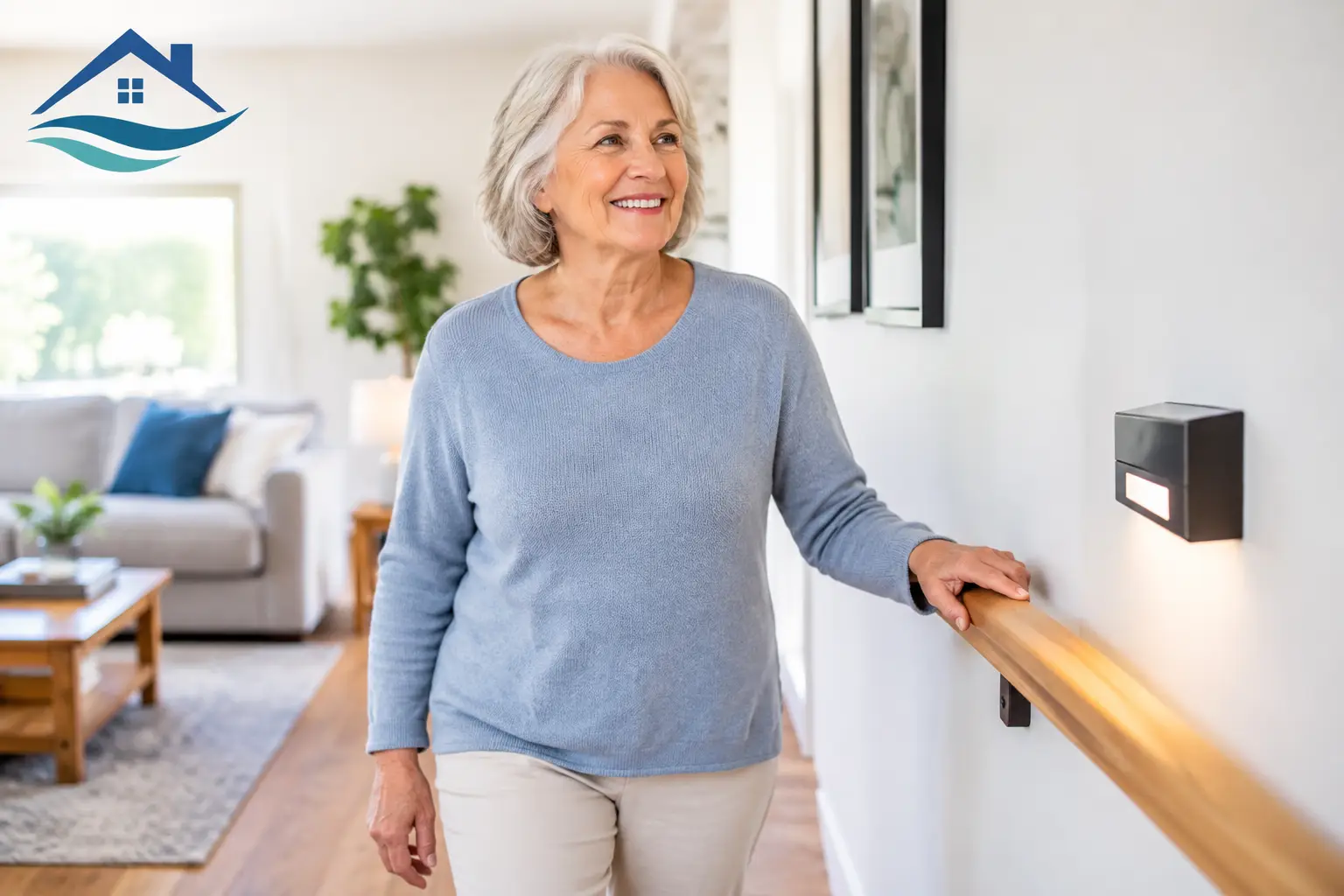
The moment families begin looking at senior living is rarely only about a home. It is about the quiet questions that arise after a fall, a missed medication, an empty refrigerator, or a long winter evening spent alone. The top senior safety features should do more than respond to an emergency. They should make everyday life feel easier, more confident, and more connected while honoring the independence a loved one has worked hard to maintain.
A premier retirement community approaches safety as part of a gracious lifestyle, not as a restriction. The best protections are often the ones that allow residents to keep enjoying favorite routines, welcoming family, joining friends for dinner, and pursuing a joyful next chapter with greater peace of mind.
Top Senior Safety Features Begin With a Thoughtful Environment
Safety starts before a resident ever asks for help. An apartment and community should be designed to reduce common hazards without feeling clinical or impersonal. Good lighting in hallways, entryways, parking areas, and residences helps residents move comfortably throughout the day and evening. Clear walking paths, secure handrails, level flooring transitions, and accessible bathrooms can significantly reduce the chance that a simple trip or misstep becomes a serious concern.
Private residences deserve close attention as well. Families should ask whether apartment layouts offer room to move with a walker if needed, whether bathrooms include practical safety features, and whether emergency assistance is accessible from the residence. A beautiful apartment is meaningful, but its true value is greater when it supports both comfort and confidence over time.
There is no single perfect layout for every person. A resident who is fully independent may prioritize a spacious one- or two-bedroom residence and entertaining space. Someone managing mobility changes may benefit from a more compact home with fewer steps between the bedroom, bathroom, and living area. The right choice respects present preferences while leaving room for changing needs.
A Fast, Human Response When It Matters
An emergency response system is one of the most essential senior living safety measures, but families should look beyond the presence of a call button or pendant. Ask what happens after a resident signals for help. Who responds? How quickly can they arrive? Is trained staff available around the clock, and how are families notified when an incident occurs?
Technology can be reassuring, yet it cannot replace attentive people who know residents by name. A staff member who notices that a familiar face did not arrive for breakfast, seems less steady than usual, or has become unusually withdrawn can often offer support before a concern grows larger. That kind of awareness is especially valuable for adult children who cannot be nearby every day.
A strong community also has clear procedures for medical emergencies, severe weather, power interruptions, and other unexpected events. Families do not need every operational detail during an initial visit, but they should feel comfortable asking how the community prepares, communicates, and keeps residents supported during difficult moments.
Personalized Support Preserves Independence
One of the greatest safety benefits of retirement living is the ability to add assistance thoughtfully rather than waiting for a crisis. Needs can change gradually after a hospitalization, during recovery from an illness, or as daily tasks become more tiring. Personalized support may include help with medication reminders, bathing, dressing, mobility, meals, or coordination with health care providers.
The goal is not to take over. It is to provide the right amount of help so a resident can continue directing their own day. For one person, that may mean a little extra assistance in the morning. For another, it may mean temporary support after rehabilitation or a respite stay that gives family caregivers time to rest.
This flexibility matters because moving is stressful at any age. A community that can adapt services as needs evolve gives residents the opportunity to age gracefully in place, surrounded by familiar neighbors, routines, and caring team members. It also gives families a clearer path forward when circumstances change.
Daily Connection Is a Meaningful Form of Safety
Safety is not limited to locks, lighting, or emergency procedures. Isolation can affect physical health, mood, nutrition, and confidence. A resident who feels disconnected may be less likely to ask for help, keep appointments, eat well, or stay active. Conversely, a community with engaging daily life creates more opportunities for residents to be seen, known, and included.
Chef-prepared dining, life-enrichment programs, fitness opportunities, creative activities, worship gatherings, and casual conversations in shared spaces all help build a dependable rhythm of connection. These moments are enjoyable in their own right, but they also create a caring network around each resident.
Families should notice the feeling of a community during a visit. Are residents greeting one another? Do team members speak warmly and respectfully? Are there choices for people with different interests and energy levels? A full calendar is helpful, but meaningful participation matters more than a long list of events.
Secure Access Without Losing a Sense of Home
A welcoming residence can still be carefully protected. Controlled access to the building, well-managed visitor procedures, attentive front-desk coverage, and secure common areas can help residents and families feel at ease. Exterior areas deserve the same consideration, including parking, walkways, entrances, and places where residents enjoy fresh air.
Security should never create a feeling of confinement. The best communities balance sensible safeguards with freedom of movement, hospitality, and dignity. Residents should feel that they are coming home, not checking into an institution.
For families comparing options, it is useful to visit at more than one time of day. An afternoon tour may show bright dining rooms and active programming, while an evening visit can reveal lighting, staff presence, building access, and the overall sense of calm after the day winds down.
Location and Health Care Access Add Reassurance
A safe lifestyle is also shaped by what surrounds the community. Convenient proximity to physicians, hospitals, pharmacies, retail, worship, and cultural destinations makes everyday life more manageable. It can reduce travel stress for residents and make it easier for family members to stay involved.
For older adults in Oakland County and the greater metro Detroit area, a West Bloomfield location can offer the comfort of familiar surroundings alongside access to respected medical resources. Comfort Cove Senior Living brings this practical convenience together with maintenance-free residences, enriching programming, and responsive support designed around each resident's story.
Still, closeness to medical care is only one part of the decision. Ask how transportation is handled, how appointments are coordinated when additional help is needed, and how the community communicates with residents and authorized family members. Clear, respectful communication can be as reassuring as location itself.
Questions That Reveal the Quality of Safety
During a tour, families often focus on the apartment finishes, dining menu, and activity calendar. Those details matter, but the most useful questions uncover how care is experienced on an ordinary Tuesday morning as well as in an urgent situation. Consider asking about staff availability, emergency response, care customization, wellness checks, resident transportation, and how the team supports a person after a fall or hospital stay.
Listen for direct answers that feel specific to the community. A trustworthy team will not promise that life will be risk-free. Aging always involves some uncertainty. Instead, they will explain how they reduce avoidable risks, respond with compassion, and work with residents and families to make thoughtful decisions.
The right senior living community does not ask a loved one to trade independence for safety. It creates the conditions for both: a home where daily details are cared for, help is close at hand, and there is still room for laughter, friendship, choice, and the life they want to keep living. When you visit, pay attention to whether you can picture your loved one feeling not only protected, but genuinely at home.
